Red light therapy has moved from niche recovery tool to something you'll now see in gyms, physio clinics and increasingly, home setups. Here's a plain-English look at what the research actually supports — and where the evidence is still catching up.
What red light therapy is
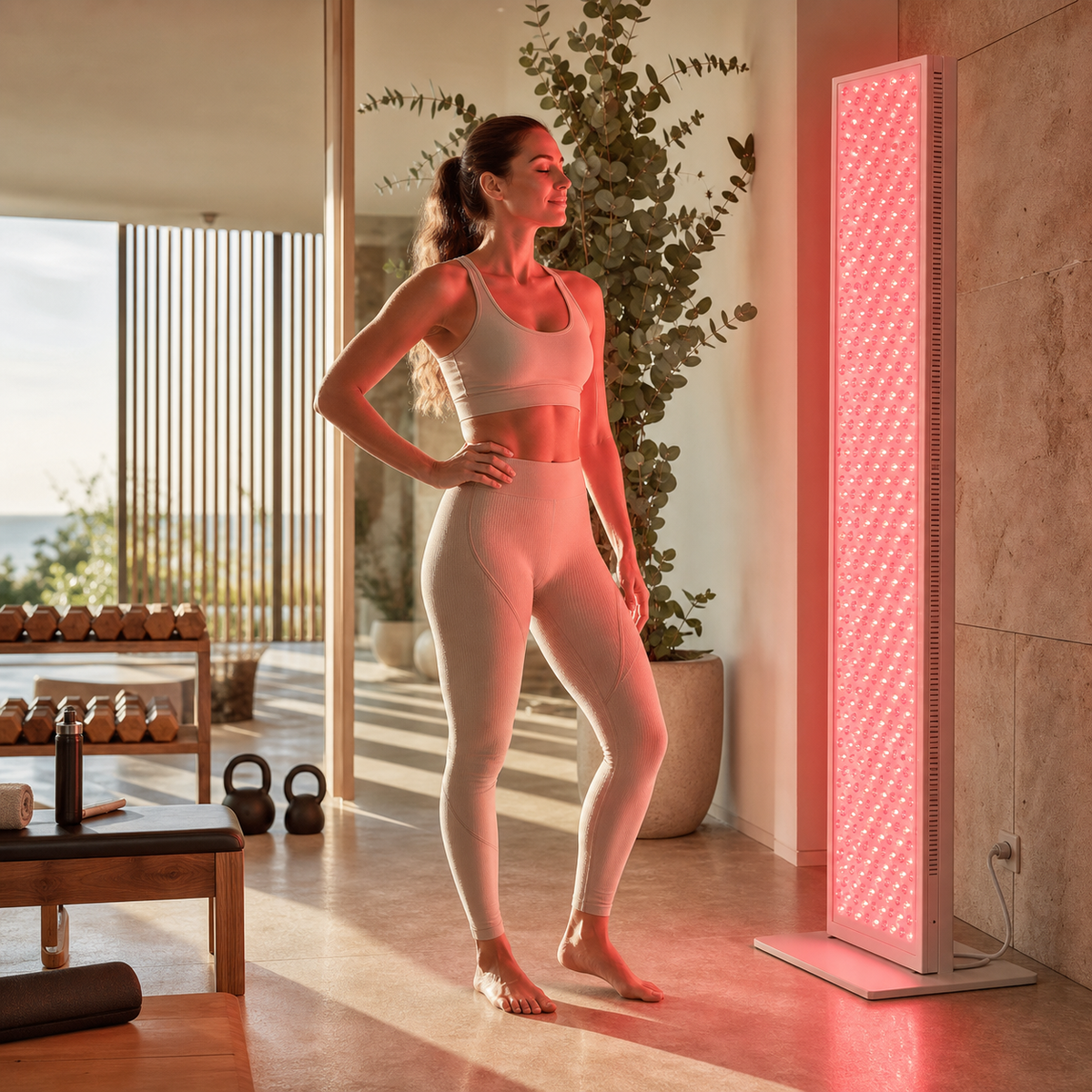
Red light therapy (sometimes called photobiomodulation) uses red and near-infrared wavelengths of light — typically in the 630-850nm range — applied directly to skin. Devices like the Radiant Arc Panel System combine both red and near-infrared light in one panel, which is the combination most studied for recovery use.
Where the evidence is strongest
The best-supported uses are muscle recovery and skin. Multiple small clinical studies link red and near-infrared exposure to reduced muscle soreness after exercise and modestly faster recovery between training sessions. For skin, there's reasonable evidence for improved tone and reduced fine lines with consistent use over weeks.
Where the evidence is still developing
Claims around joint pain, inflammation and wound healing show promising early results, but sample sizes in most studies are small and protocols vary a lot between them — wavelength, dose, distance from skin and session length all differ. Treat these as "worth trying" rather than "clinically proven" for now.
Typical use
Most home protocols use 10-20 minute sessions, 3-5 times a week, with the panel positioned close to the treatment area. Consistency over weeks tends to matter more than any single session.
Pairing with heat
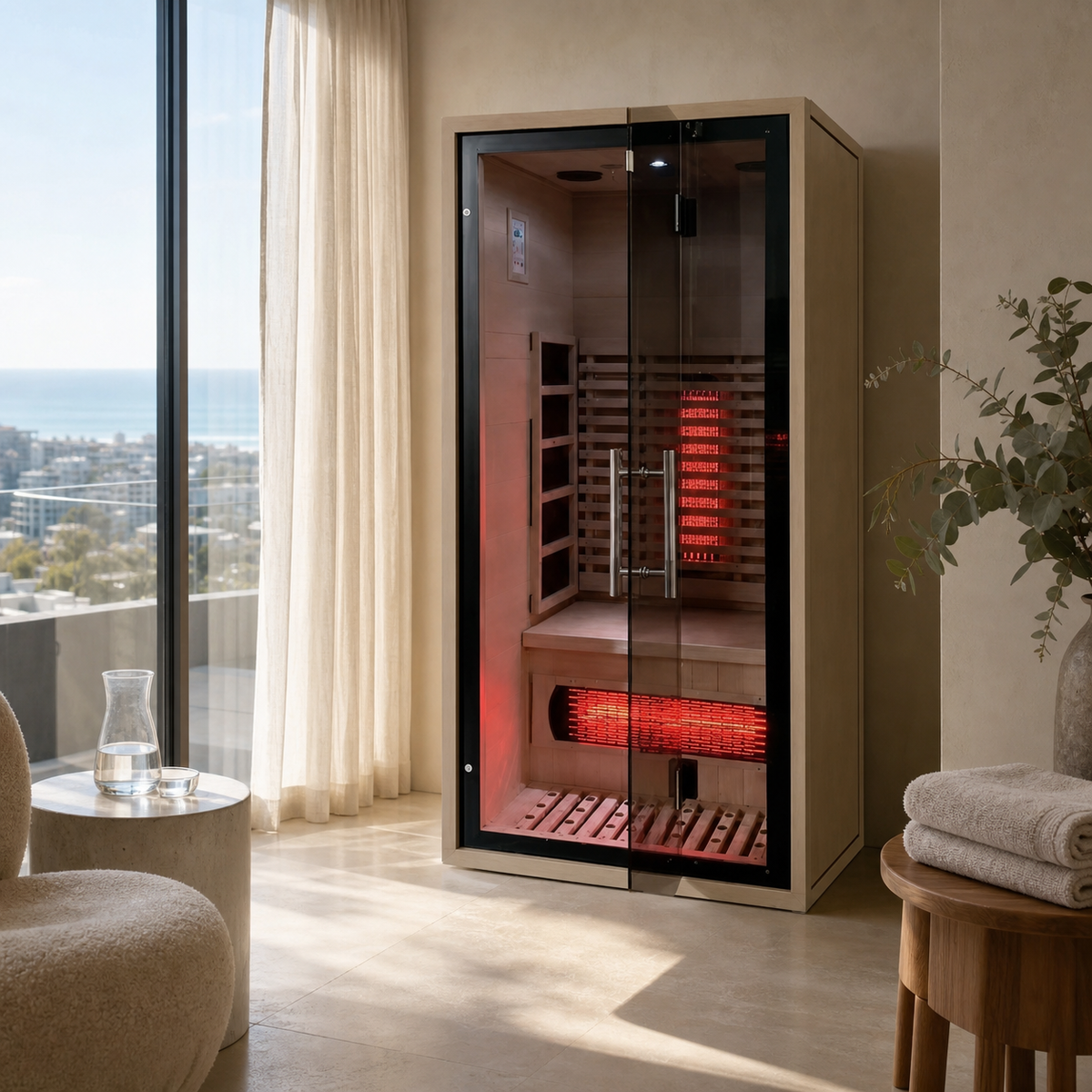
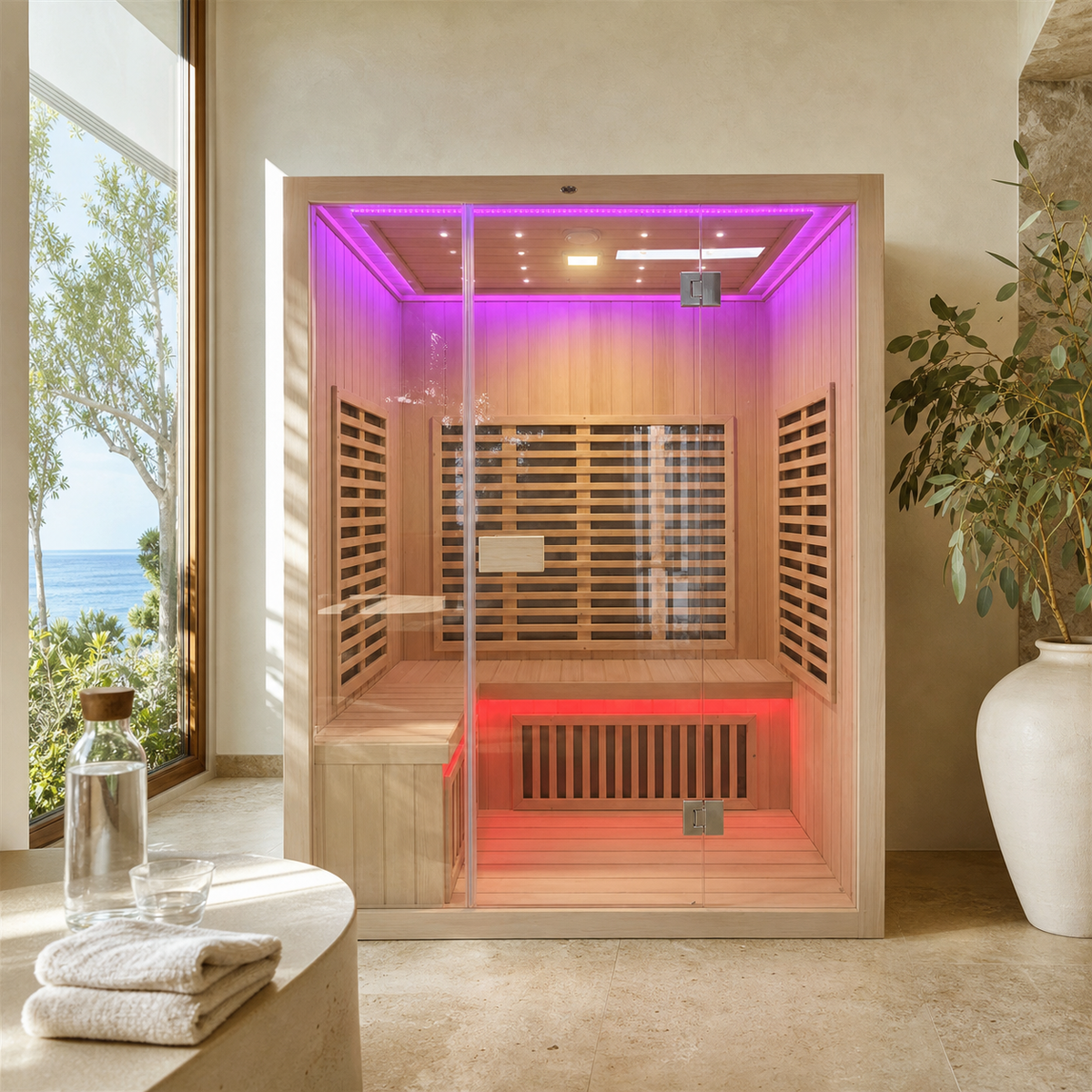
Some people use red light panels as a standalone tool; others pair sessions with infrared sauna time as part of a broader recovery routine — our Infrared Saunas collection has options from compact one-person cabins to outdoor multi-person setups if you want to combine the two.
See the full panel and stand options in the Radiant Arc Panel System listing.

Leave a comment
This site is protected by hCaptcha and the hCaptcha Privacy Policy and Terms of Service apply.