Contrast therapy — alternating hot and cold exposure — is one of the most talked-about recovery routines right now, and one of the simplest to set up at home once you know the basic structure.
Why hot and cold together
Heat (sauna) dilates blood vessels and increases circulation, while cold (ice bath or cold plunge) constricts them. Alternating between the two is thought to help flush metabolic waste from muscles faster than either alone, alongside the mental benefits many people report from the cold exposure itself.
A simple starting routine
A common beginner protocol looks like this: 15-20 minutes in the sauna, followed by 2-3 minutes in the cold plunge or ice bath, repeated for 2-3 rounds, always finishing on cold. There's no need to go longer than this when you're starting out — the benefit comes from the contrast, not the duration.
Setting up your heat side
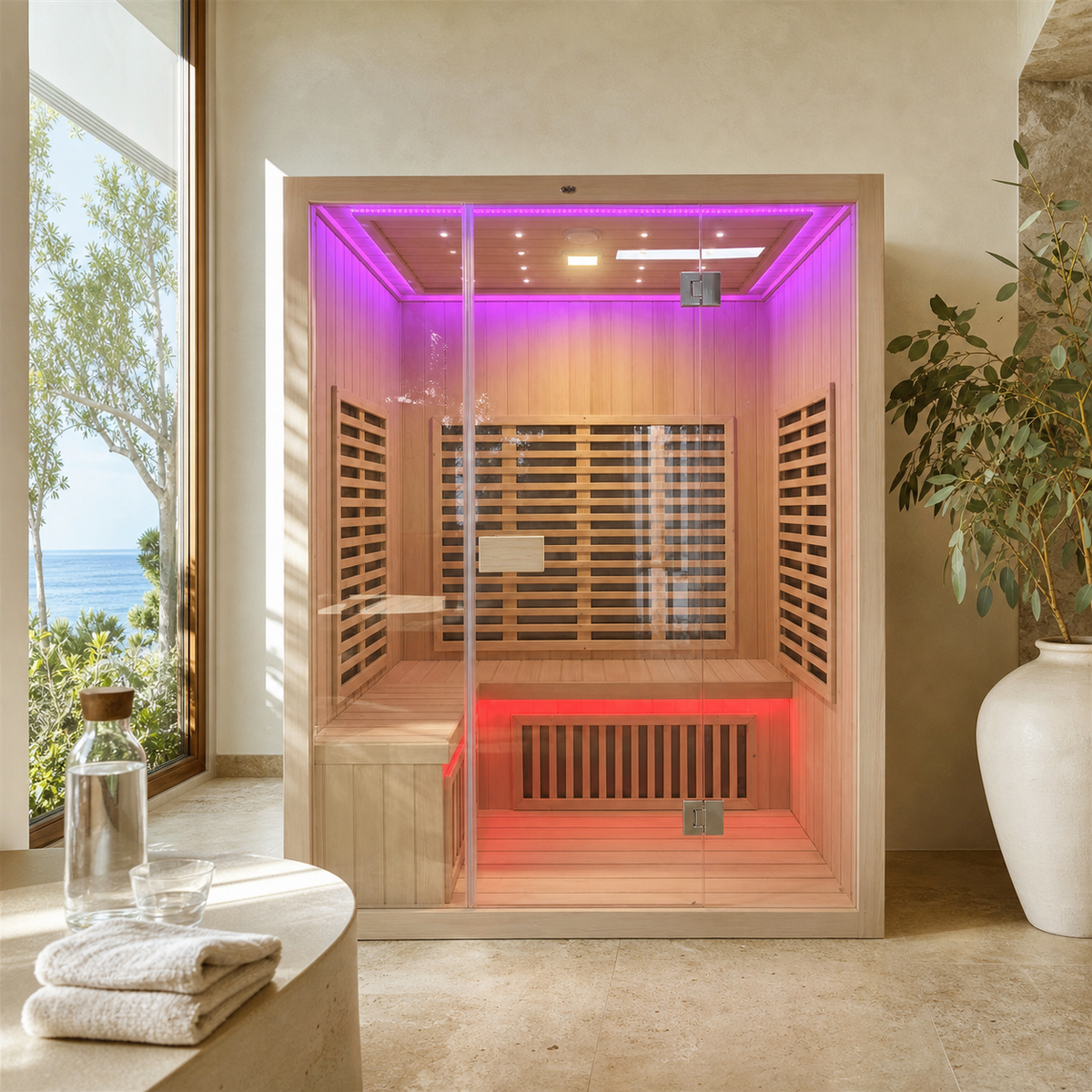
An infrared sauna is the most common home option because it doesn't need plumbing or a dedicated room. The Solace Full-Spectrum Sauna suits one person in a smaller footprint, while the Cove Indoor Sauna fits 1-3 for a shared session.
Setting up your cold side
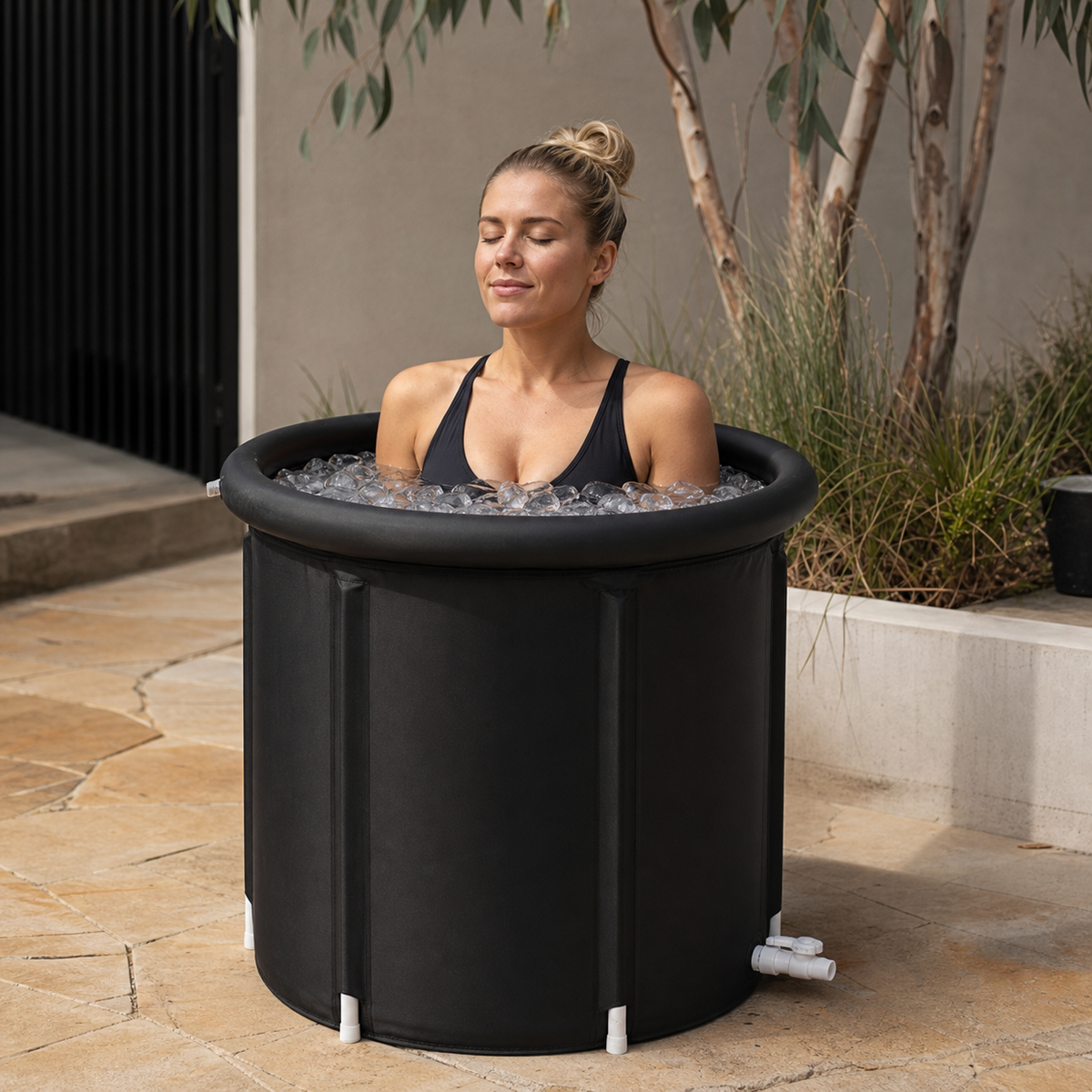
For cold, a portable option like the Current Portable Ice Bath is the easiest way to start — fill, use, empty, store. If contrast therapy becomes a daily habit, a permanent setup like the Cedar Tide Wooden Cold Plunge paired with the Current Mini Chiller keeps water cold and ready without refilling ice each time.
A few practical notes
Always finish on cold, not heat — this is what most contrast protocols recommend for the recovery effect. Keep a thermometer and timer on hand so you're not guessing at temperature or session length, and stay hydrated across both sides of the routine.
Explore the full range across Infrared Saunas and Ice Baths & Cold Plunge Tubs.

Leave a comment
This site is protected by hCaptcha and the hCaptcha Privacy Policy and Terms of Service apply.